
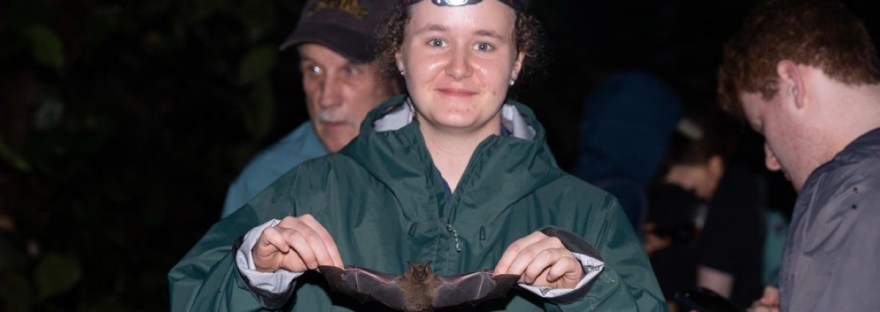
For many students majoring in Environmental Sciences (ENVS) at Emory, the best experiences are ones that happen outside the classroom. Opportunities to put academic preparation into action is integrated into the ENVS curriculum through required coursework in lab and field experiences. For students who participate in the spring field courses – ENVS 242: Modern & Ancient Tropical Environments Field Course (San Salvador Island, Bahamas) and ENVS 372: Ecology of the Tropics Field Course (Peru) – the experience is often profound and for some, truly life changing.
The department is honored to support these field experiences through the Lester Field Course Scholarship. And so pleased to share some brief reflections and pictures from this past spring.
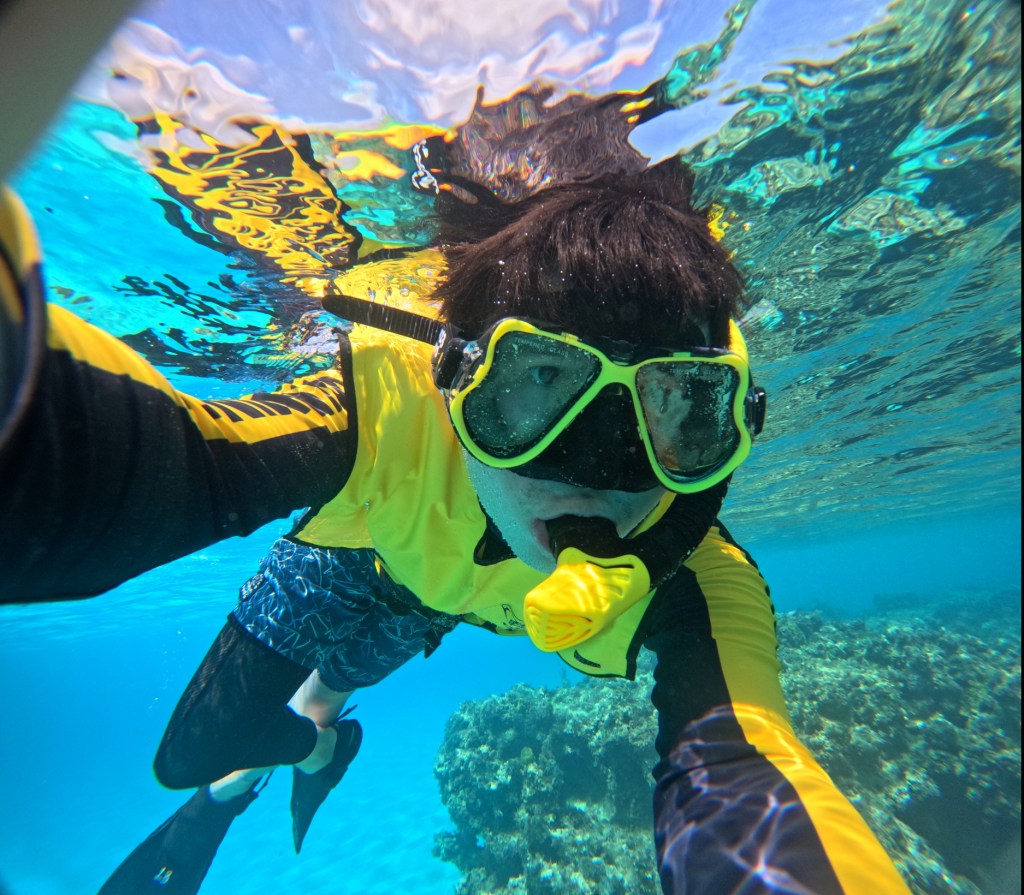
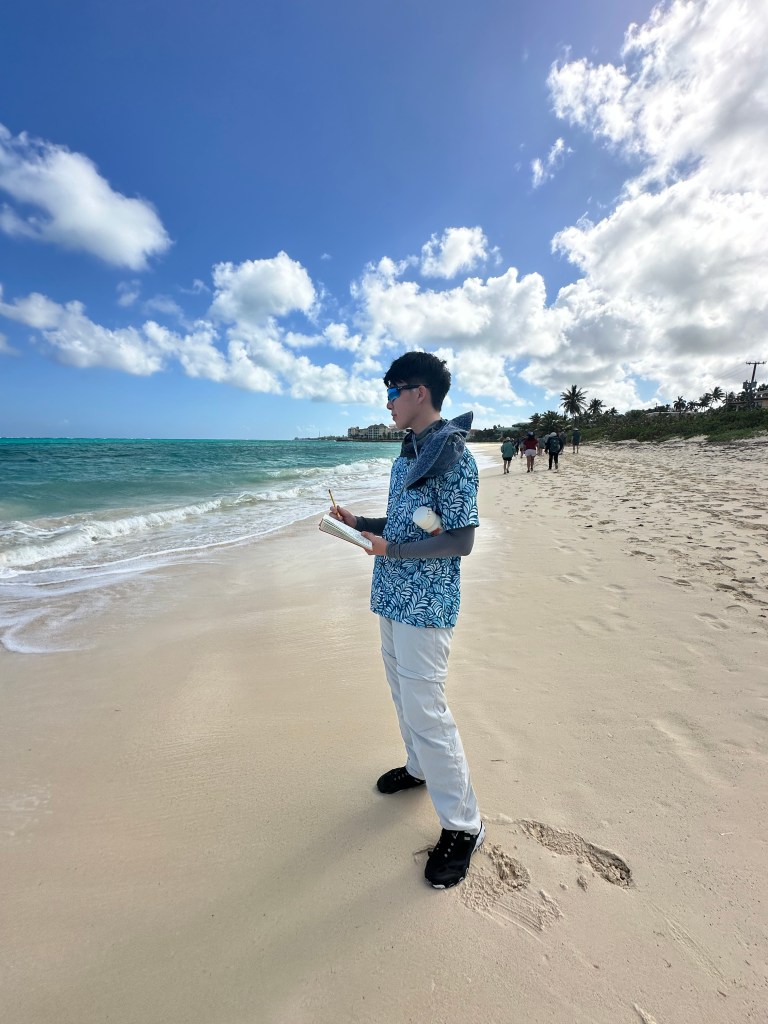
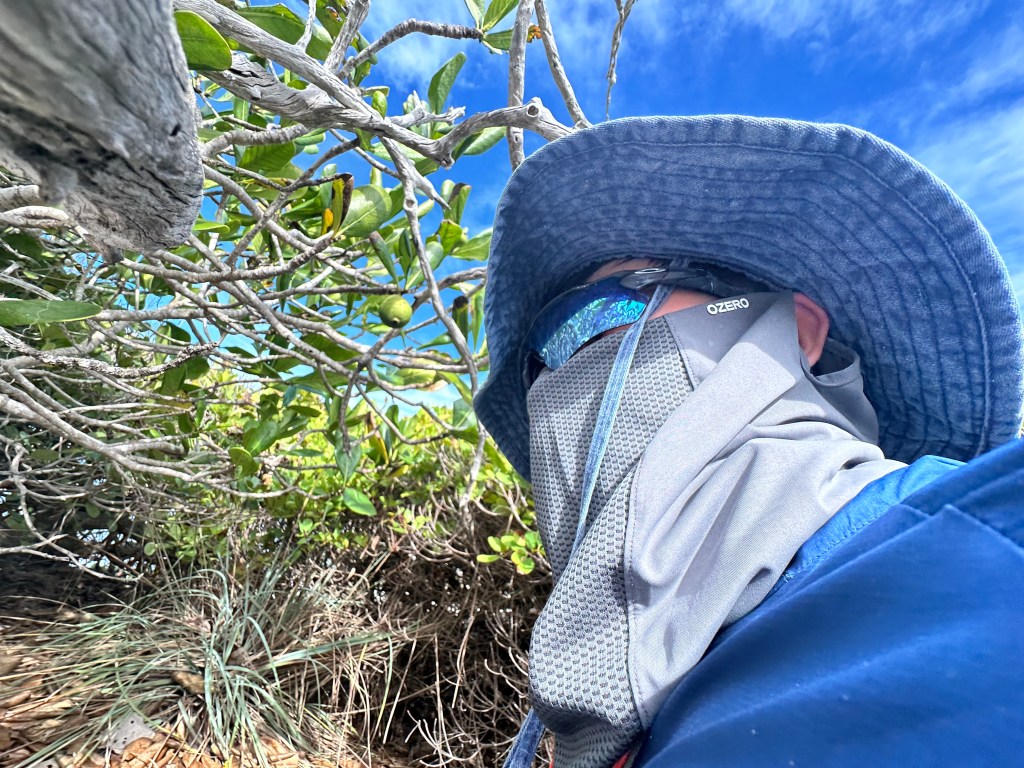
We explored underground caves, snorkeled through impossibly blue water, walked across landscapes shaped by ancient reefs, and stood in places where the boundary between textbook and reality essentially dissipated. One of the most surreal moments for me was visiting iguana island for my group project. After moving through the sea and landing on the island, I suddenly found myself standing next to critically endangered Bahamian rock iguanas. It honestly felt like I had stepped into the scenery of a documentary, except there was no screen between the animal and me. Hunting down their burrows on the island made science feel much more immediate and alive. – Ethan Hsieh 26Ox, 28C (ENVS 242)
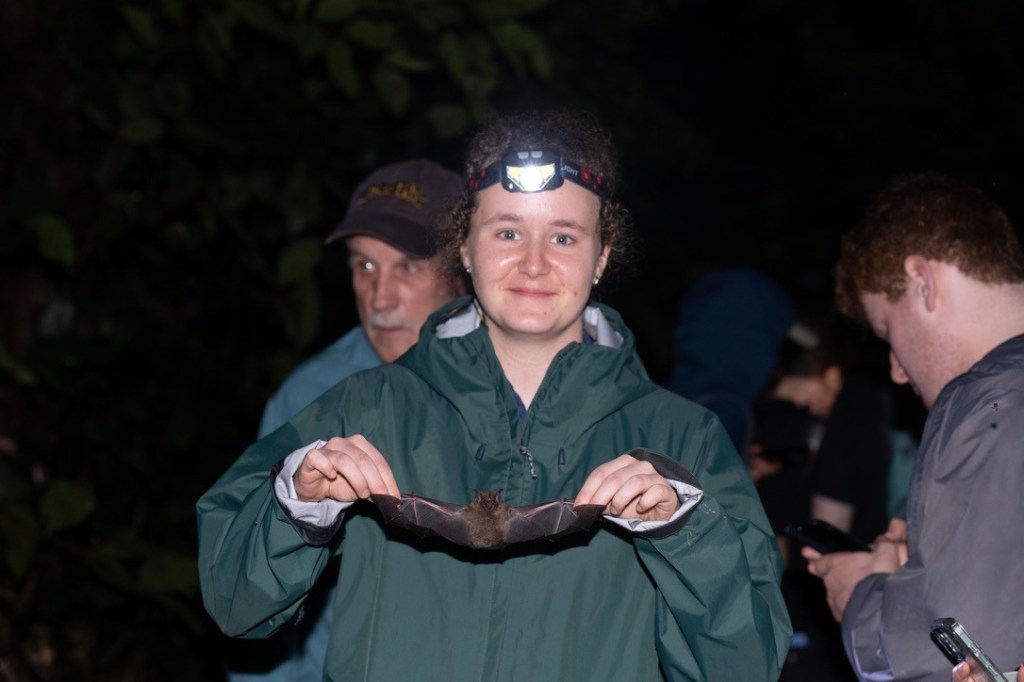
I had a once-in-a-lifetime opportunity to visit the Peruvian Amazon rainforest this spring break, and I had an absolute blast! As an aspiring ornithologist, this trip was particularly fruitful. Our group saw lots of chestnut-eared toucans and russet-backed oropendolas, to name a few — even a Great Potoo stood stalwart above us at our last location, Ceiba Tops! Besides birding, we had several chances to talk with residents of the Amazon. The Maijuna people shared with us the significance of their mission to protect the rainforest. We learned about many forms of ethnobotanical remedies from a knowledgeable shaman named Guillermo, who also accompanied us on our routine night hikes from time to time. All sorts of insects (amblypygids galore), frogs, bats, sleeping birds, and the occasional mammal made up our nightly encounters. Some of my favorite activities during the day included piranha fishing and climbing the canopy walkway to do some more birding (a surprise to no one). Overall, this trip provided a space for me to lean into my curiosity more than I do at home, to ask questions, and push myself out of my comfort zone. If I could, I would do it all over again in a heartbeat, no matter the many mosquito and chigger bites! – Eliot Vaughey, 26C
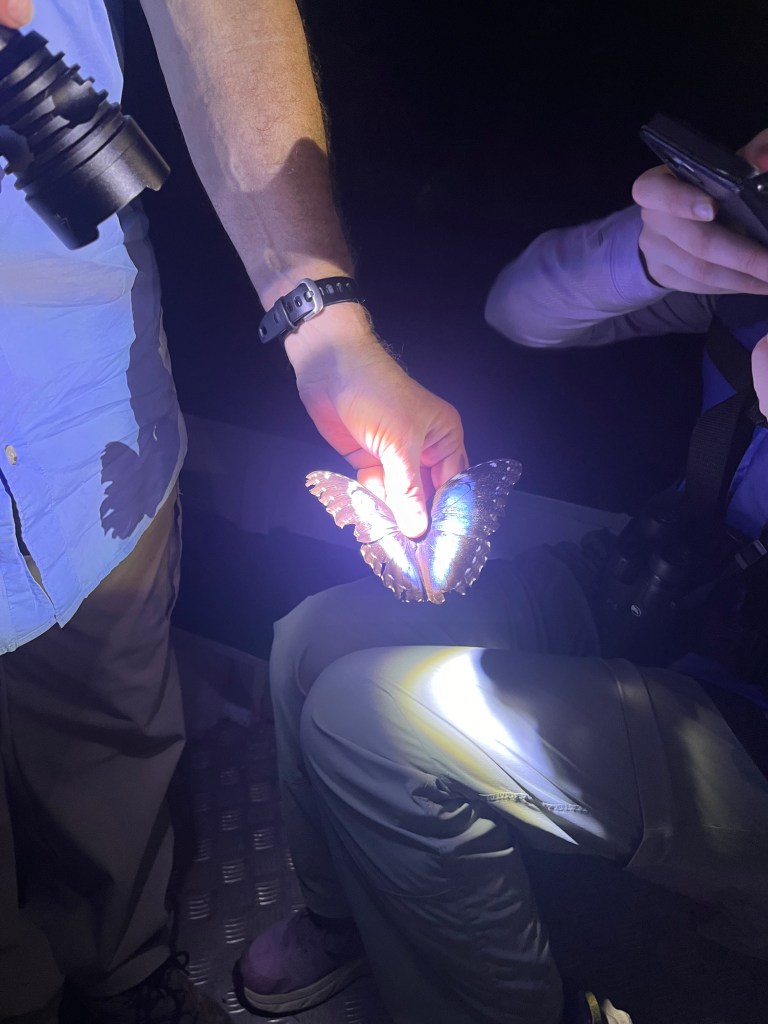
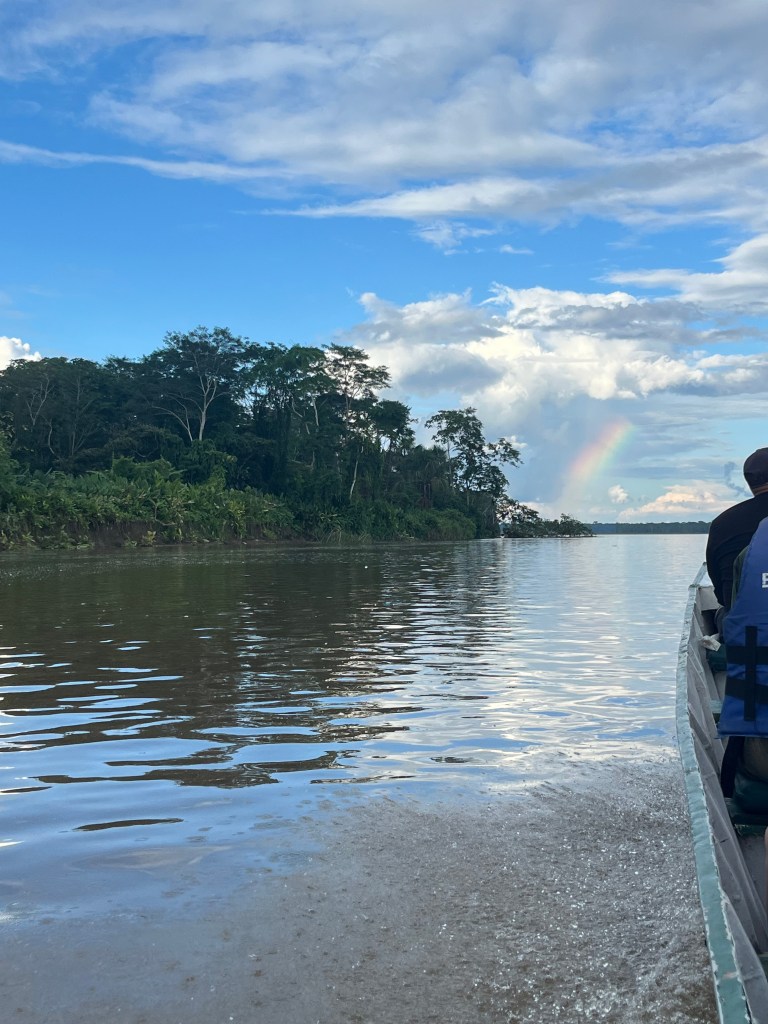
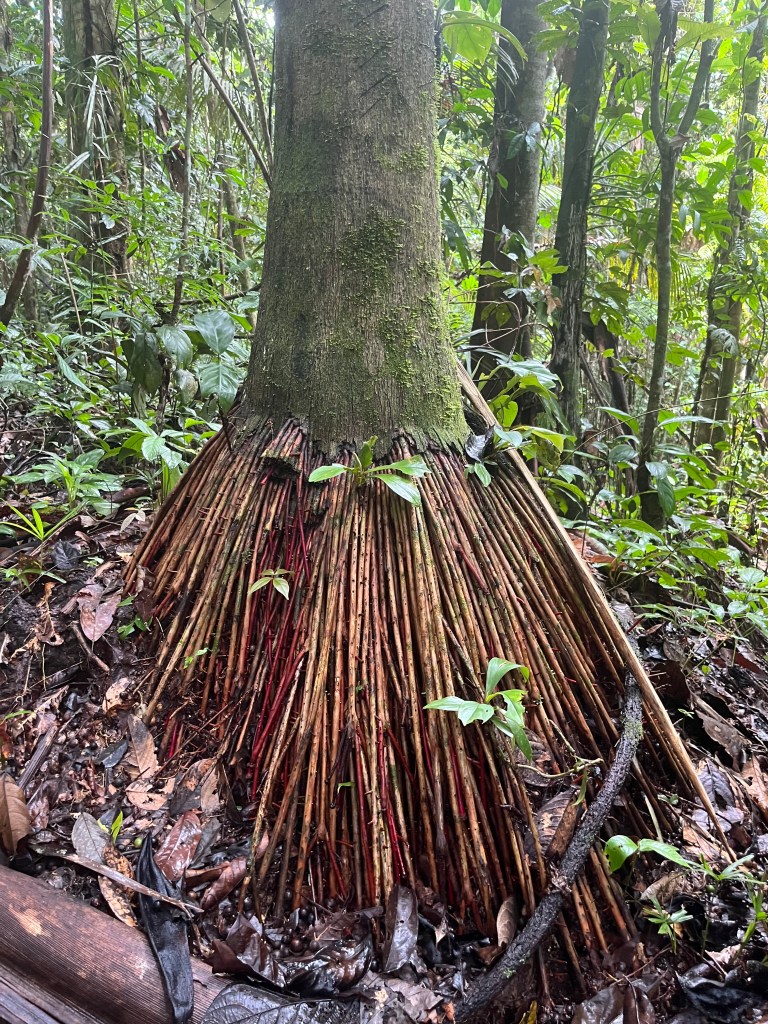
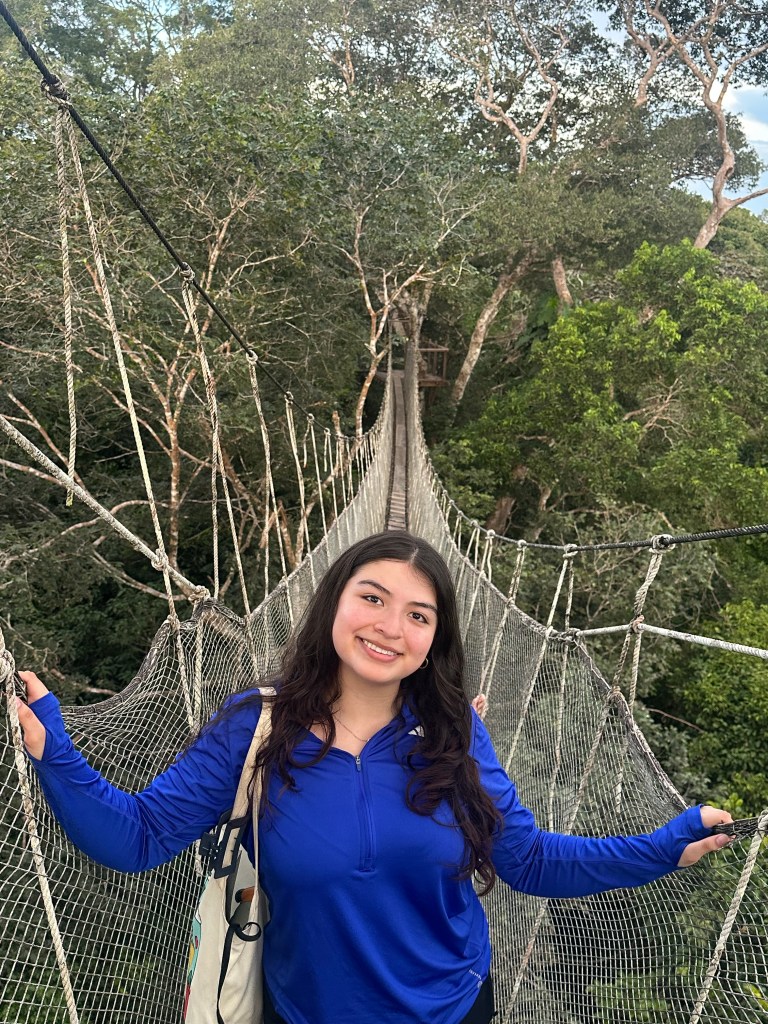
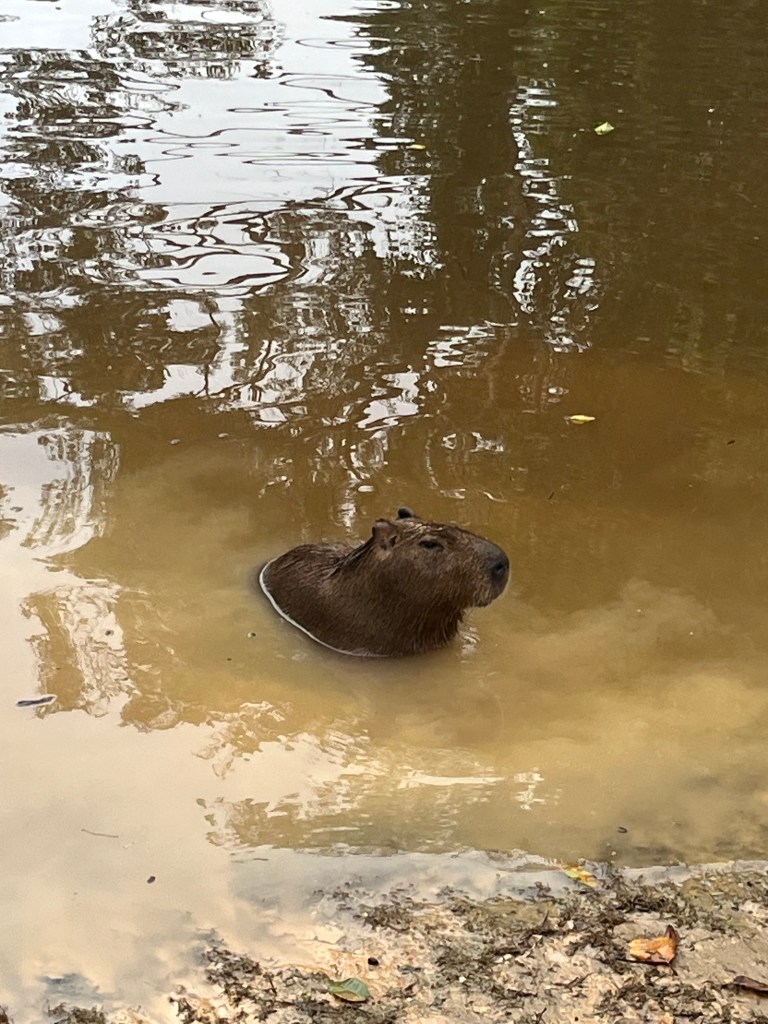
This trip was unforgettable and humbling as it showed me that there is so much to see in the world. Standing on top of the walkway canopy, I could only see green for miles as the Amazonian trees stood tall. Under those trees are mysteries like the bioluminescent fungi that can only be seen by the naked eye. One night hike, the fungi sparkled on fallen tree leaves, mimicking the visible Milky Way above us. -Janeth Ortiz, 26C
Visiting the Amazon rainforest was so fun. Every day was full of activities from morning bird watching boat rides to visiting local villages to night hikes. Some of my favorite experiences were spotting a Scarlet Macaw and Paradise Tanager on the canopy walkway, seeing a bunch of pink dolphins, kayaking through the Napo river, fishing for Piranhas, and meeting a Shaman. The food was outstanding whether it was the fish, local fruits, soup, plantains, and the dessert. Mosquitos and warm temperatures may have made the trip challenging but felt super rewarding. – Dylan Marshall, 26BBA

