By Easton Lane 25C
From an early age, Cam Mosley (17Ox, 19C) learned to deeply value nature and became driven to protect it. As a current Postdoctoral Research Fellow in Biology at the University of Minnesota, their environmental science journey has led them to numerous research projects and academic opportunities. After completing their undergraduate education at Oxford College and Emory and earning a PhD from the University of Notre Dame, Cam’s work has aimed to provide insight into fisheries ecology as it relates to human impacts and climate change. Additionally, Cam’s scholarly activities have helped to support social and environmental justice at every school they’ve attended.
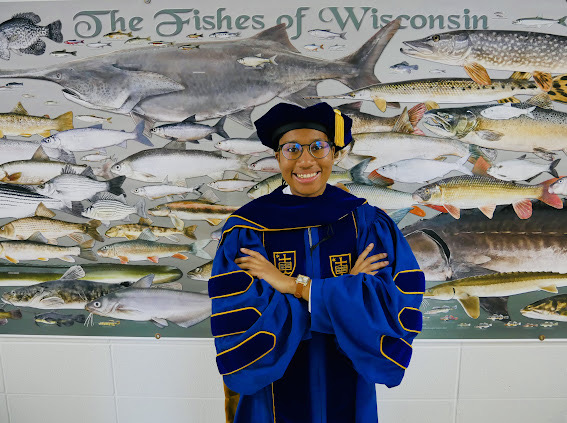
Sponsored by the University of Minnesota in Saint Paul, Cam has received a National Science Foundation grant to “look at how climate change and biological interactions will alter species distributions in the future, and tease out what those mechanisms look like at a community scale.”
“I study how lake fish interact with the habitat and humans, and usually with humans that means studying anglers,” they say. “I did a range of data analysis and whole-lake experiments to figure out the magnitude of some of those interactions and feedbacks.” Fisheries of all kinds face unprecedented, rapid changes as a result of climate change, and research like Cam’s is vital for figuring out how to mitigate and adapt human-nature relations to changing conditions.
“Coldwater fish need well-oxygenated water at a certain temperature. Given lots of landscape changes like nutrient runoff that depletes oxygen and increased precipitation events and warming waters, we’re trying to figure out what those environments will look like.”
Around the time they finished their PhD at the University of Notre Dame, Cam wasn’t sure if they wanted to pursue an agency job or go further on the academic route, but after contemplating what was fulfilling and important to them, the decision was clear.
“Personally, I’m happy as long as I get to play around outside and ask fun questions. The postdoctoral life allows me to do that.”
Although Cam’s research primarily concerns ecological fieldwork, there are other ways in which they are using their expertise as a postdoctoral fellow to pursue social justice. They serve on a separate GEOPAths project, funded by the Science Museum of Minnesota and the National Science Foundation. This project empowers students with different backgrounds as they approach the paleolimnology topics in STEM fields, and Cam has the ability to mentor these students and help them find research opportunities.
Cam also gets involved with student organizations wherever they go. At Emory, they were on the executive board of the African and Caribbean Student Union at Oxford College, as well as a student STEM mentor. In graduate school at the University Notre Dame, they were President of the Black Graduate Student Union, and was a founding member of a new club called Graduate Students Against Racial Injustice during the COVID-19 pandemic and police brutality protests, pushing the university to take diversity and equity initiatives more seriously.
Cam wants to engage with the local community, primarily through getting grad students involved in the socio-political climate of their new schools.
“As grad students at Notre Dame, we come from all over the place and move to South Bend, Indiana, and we don’t necessarily know about the socio-political climate around the area, so we try to build connections with the community there.”
Over the past decade, environmental justice has become a primary part of environmental solutions, taking into account the ways in which current societal structures leave vulnerable populations exposed to impacts of climate change while affording unequal protection to populations with more resources. Cam’s work intersects with environmental justice concerns in many ways, and they want others to be able to experience nature as an openly accessible and sustainable resource—something increasingly threatened by human-altered climates.
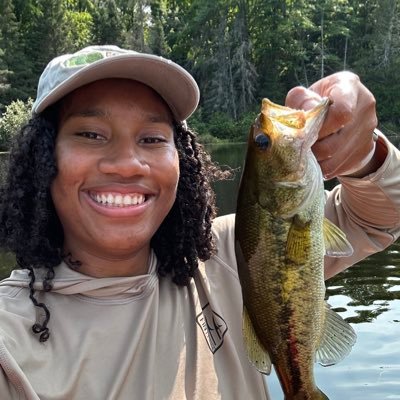
“I grew up fishing, and I really value that as a common-pool resource,” they say. “I want everybody to experience nature and the environment, and I want people to enjoy that in the future. The only way we can do that is to foster the natural sustainability of ecosystems, and make sure there’s something left for everyone to catch.”
Although securing undergraduate research opportunities—not to mention gaining admission into PhD and postdoctoral programs—can seem like daunting tasks, Cam urges students to be willing to hear some no’s, and to keep pushing as their experience and knowledge grows.
For Emory students, Cam stresses that “Your network is bigger than you think it is.” Their career counselors and research mentors played a pivotal role in their post-undergraduate ambitions, helping them with applications and opportunities.
“I used the Career Center (now Career and Professional Development) to get some of my resume and CV materials together. They also connected me with some people at different research institutes and aquariums that actually were Emory alumni, and they helped me navigate and find some positions.”
Cam’s journey through undergraduate, graduate, and postgraduate positions is proof that even if you know where you want to go, the way you get there will always be a surprise. By staying open to new opportunities and honing in on what truly fulfilled them, Cam has stepped into an amazing role as an NSF Postdoctoral Fellow at the University of Minnesota, and we can’t wait to see what this latest endeavor of theirs will lead to.
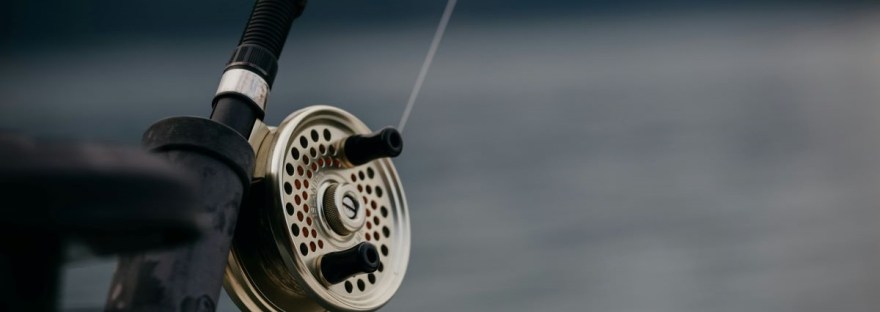
Note: Featured Image by Matthew McBray on Unsplash

