
Why you should study abroad: My experience in the IES Freiburg Environmental Studies and Sustainability Program.
By Easton Lane 25C
Have you ever considered studying abroad? While the process of completing an application, securing course approvals, and going to live in a foreign country for a semester may seem daunting, it’s easier than it seems—and extremely rewarding.
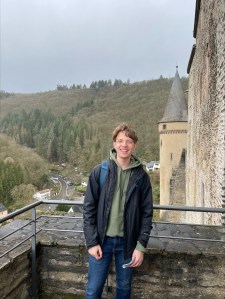
I studied abroad in Freiburg during the Spring 2024 semester as part of the IES Freiburg Environmental Studies and Sustainability program. This took place during the second semester of my Junior year, which is a popular time for many students to take a semester abroad.
Should I study abroad?
In the months leading up to the October application deadline, I wasn’t really sure if I wanted to study abroad. It’s difficult to leave the second home you’ve built at Emory—even if it’s only a temporary absence—but passing up a golden opportunity to go abroad can lead to a different kind of regret. If the four factors of funding, time, location, and classes are working in your favor, seize the opportunity to study abroad while you can!
For ENVS majors, there are a handful of environmental science-focused programs affiliated with Emory, including IES Freiburg and DIS Copenhagen. These programs offer several courses to choose from, with the potential for overlap with other disciplines (especially useful for double majors).
If you’re on the ENVS Bachelor of Science track, an environmental-focused study abroad program will be a perfect fit, as you can receive ENVS class credit for up to three classes you take abroad. Most classes will be approved as electives (ENVS 385), but there’s also the chance that you’ll get approved for a more specific class at Emory if the course descriptions are similar enough. If you’re pursuing any of the Bachelor of Science tracks, course approvals may be more complicated if you’re seeking specific class equivalents rather than electives.
That said, if there’s a program that fits with your academic progression and major timeline, that’s your first sign you should continue the application process. When study abroad classes align with your academic plans, they turn an already wonderful experience into a productive semester.
Funding
Funding is arguably the most important part of the decision to go abroad, as living and traveling in another region for three months is simply not cheap. However, it is possible that you won’t have to come up with the funds on your own, especially if you receive financial aid from Emory. All of your aid will go towards the tuition of your program of choice, and in the event that your financial aid exceeds your program’s tuition, you will be refunded the full amount of what is left over. Additionally, Emory College Education Abroad offers the Eagles Abroad Scholarship, which any student going abroad is eligible to apply for. You can also look at your specific study abroad program to see if they offer financial aid; in my case, IES Abroad was able to provide some aid and scholarships to those who needed them.
The Gilman Scholarship is a potential source of funding for anyone receiving the Pell Grant, and was a crucial resource for me. If awarded the Gilman Scholarship, you will receive up to $5,000 to cover essential expenses, including food, living arrangements, and a roundtrip flight to your country on a U.S. flag-carrying airline. The Gilman Scholarship allowed me the financial flexibility I needed to fully engage in the city life of Freiburg, and I would highly recommend that anyone eligible apply. No matter what your financial situation is, the Gilman Scholarship can take a lot of stress off your shoulders, so you can enjoy living in a new country without a significant financial strain.
My Experience at IES Abroad
If you’re an environmental science major looking to receive credit for electives and specific classes, IES Freiburg is a great place to consider. Besides the Beginner German course I took at the beginning of my semester, each of the three environmental science classes I took counted for full Emory credits as ENVS 385 (I also took a class that ended up counting as ENG 388, but that’s because I’m also a Creative Writing major).
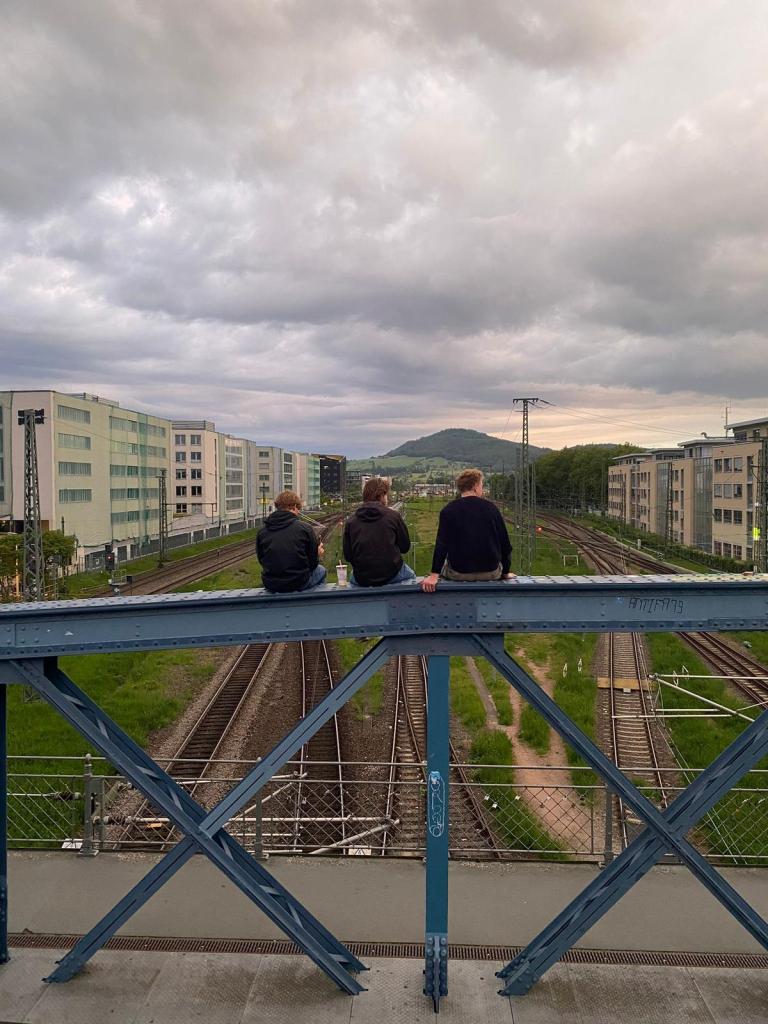

After a two week orientation and a three week Beginner German class, you will begin a module-styled schedule, in which each of your four environmental classes last three weeks, taken one at a time. The module style is a departure from what you’re used to at Emory, but it’s a significantly more focused workload. Studying one subject at a time reduces homework and opens more time for you to explore Germany and Europe with your new friends. That said, exams are even more important in Europe, so make sure you’re ready to step up to plate at the end of each module.
I always felt that IES Freiburg designed our schedules and courses with a student’s interests in mind, balancing academic workload with many four and five day weekends to ensure that you also have time to explore and engage with everything around you. The staff also did a fantastic job during orientation, organizing fun events and field trips to introduce you to your peers and get you comfortable with Freiburg.
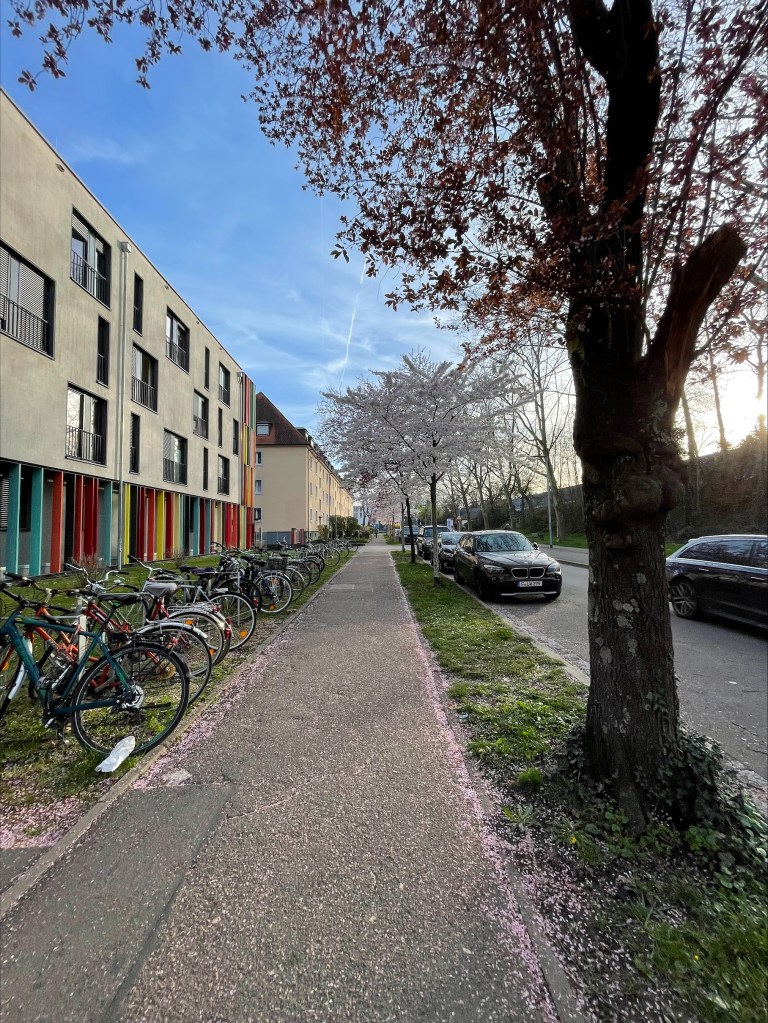
If you end up studying abroad in Freiburg, there’s no better city for an environmental science major: from amazing public transit to a car-free downtown and beautiful scenery, I ended up valuing my weekends in Freiburg just as much as my trips to other parts of Europe. Freiburgers are friendly, and the vast majority speak English, so don’t worry if you’re not confident in your German skills. There’s also plenty to analyze from a critical perspective, as the city is currently expanding into greenspace to create a new district in an effort to remedy its low housing availability.
Recap
So should you study abroad? At the end of the day, that decision is up to you, but I hope this article has helped you realize that studying abroad is more academically and financially feasible than you might think. While no one’s abroad experience will be the same, if you can find a program that’s a good fit for you, I would recommend studying abroad 100 times out of 100. There are perspectives and experiences you’ll never have unless you study abroad, and what those are is for you to find out.
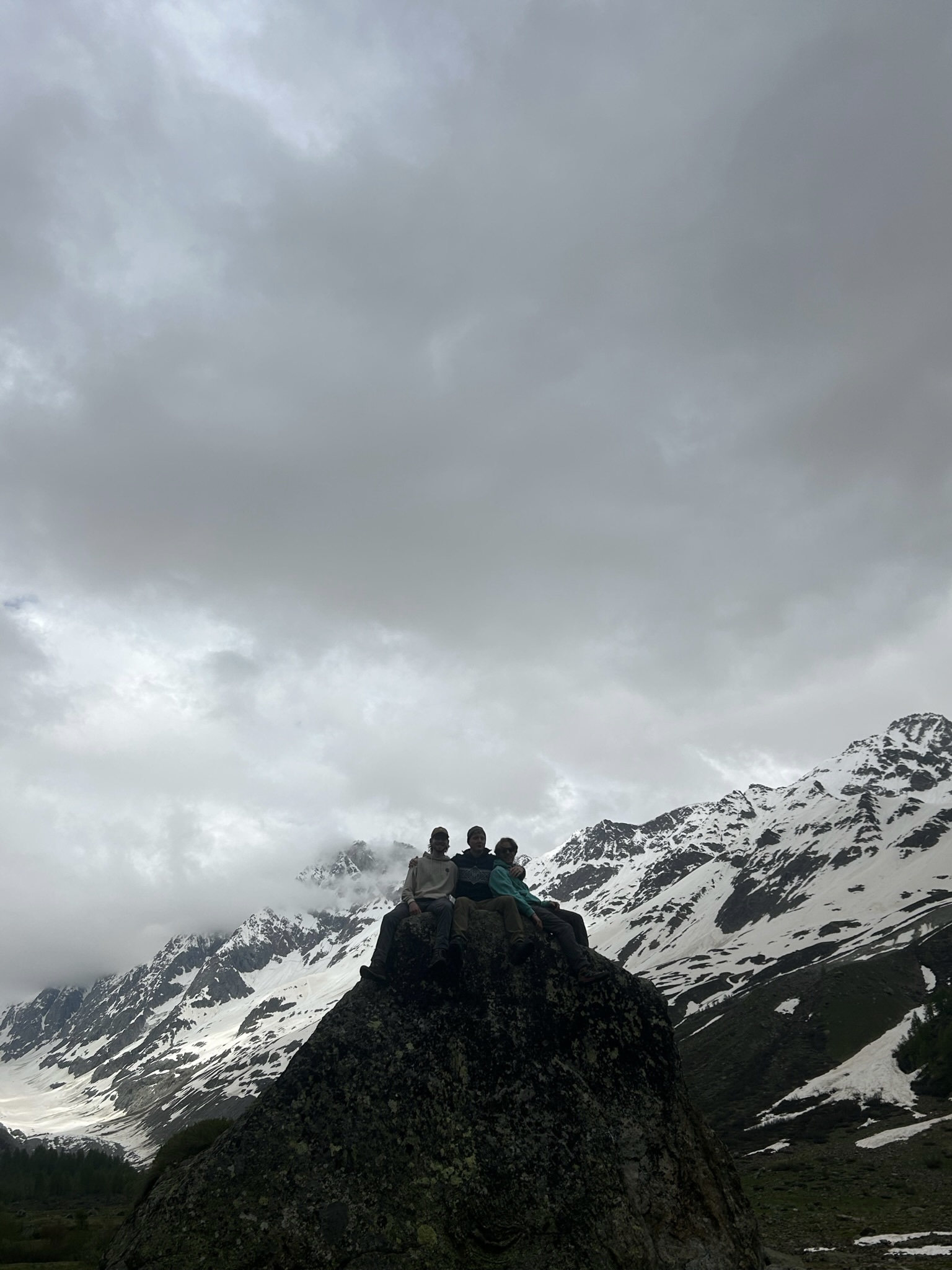


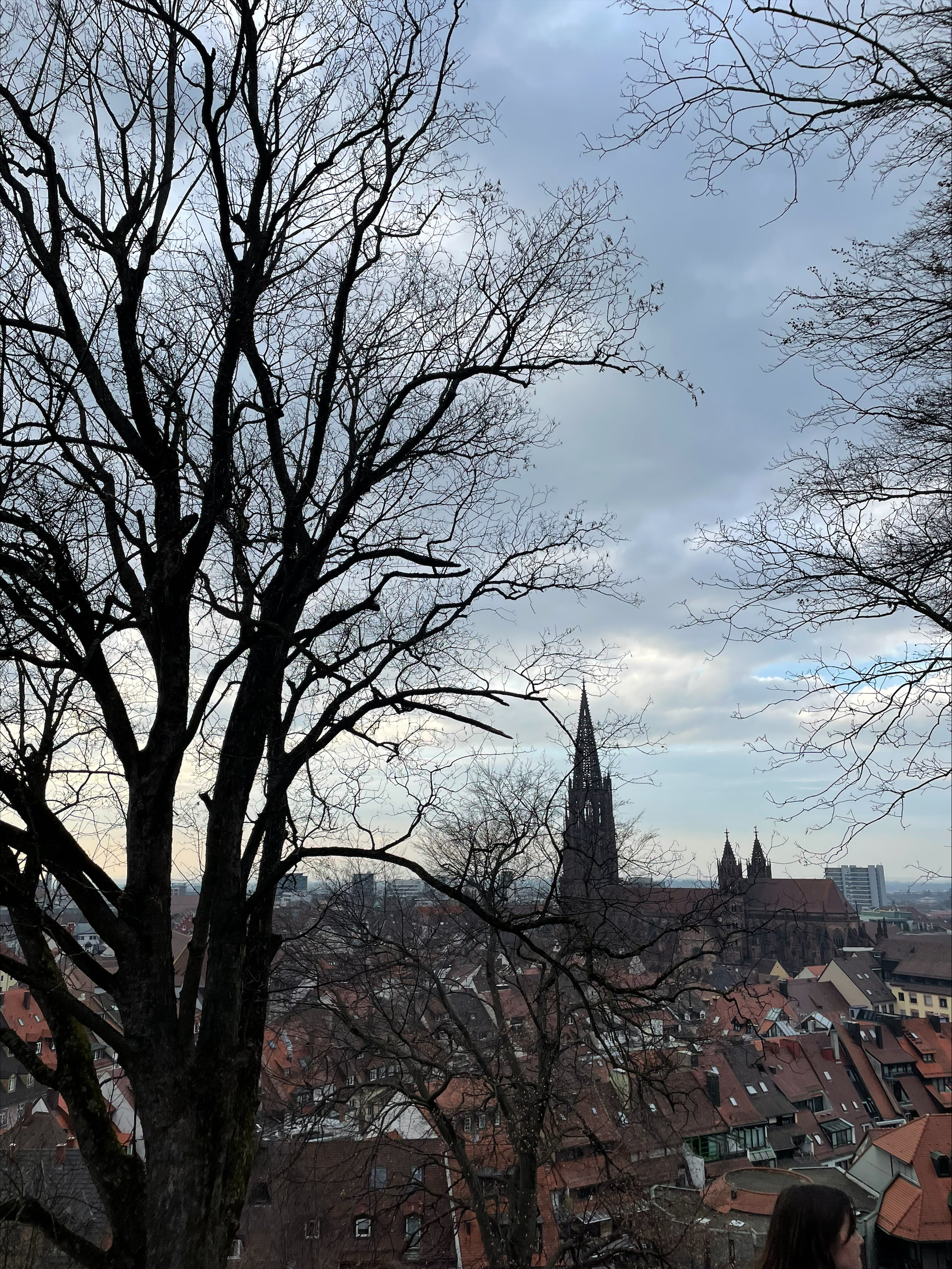
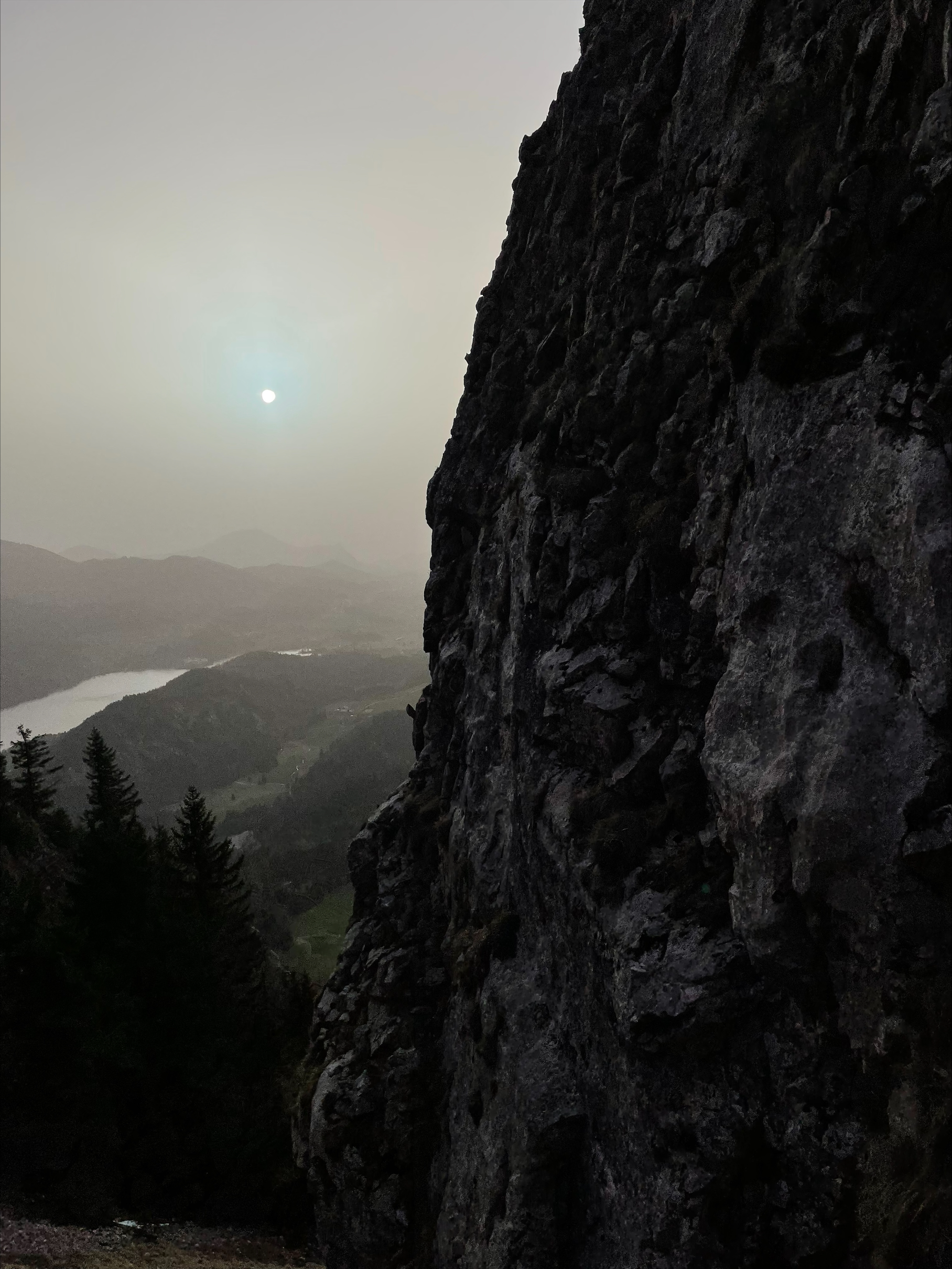
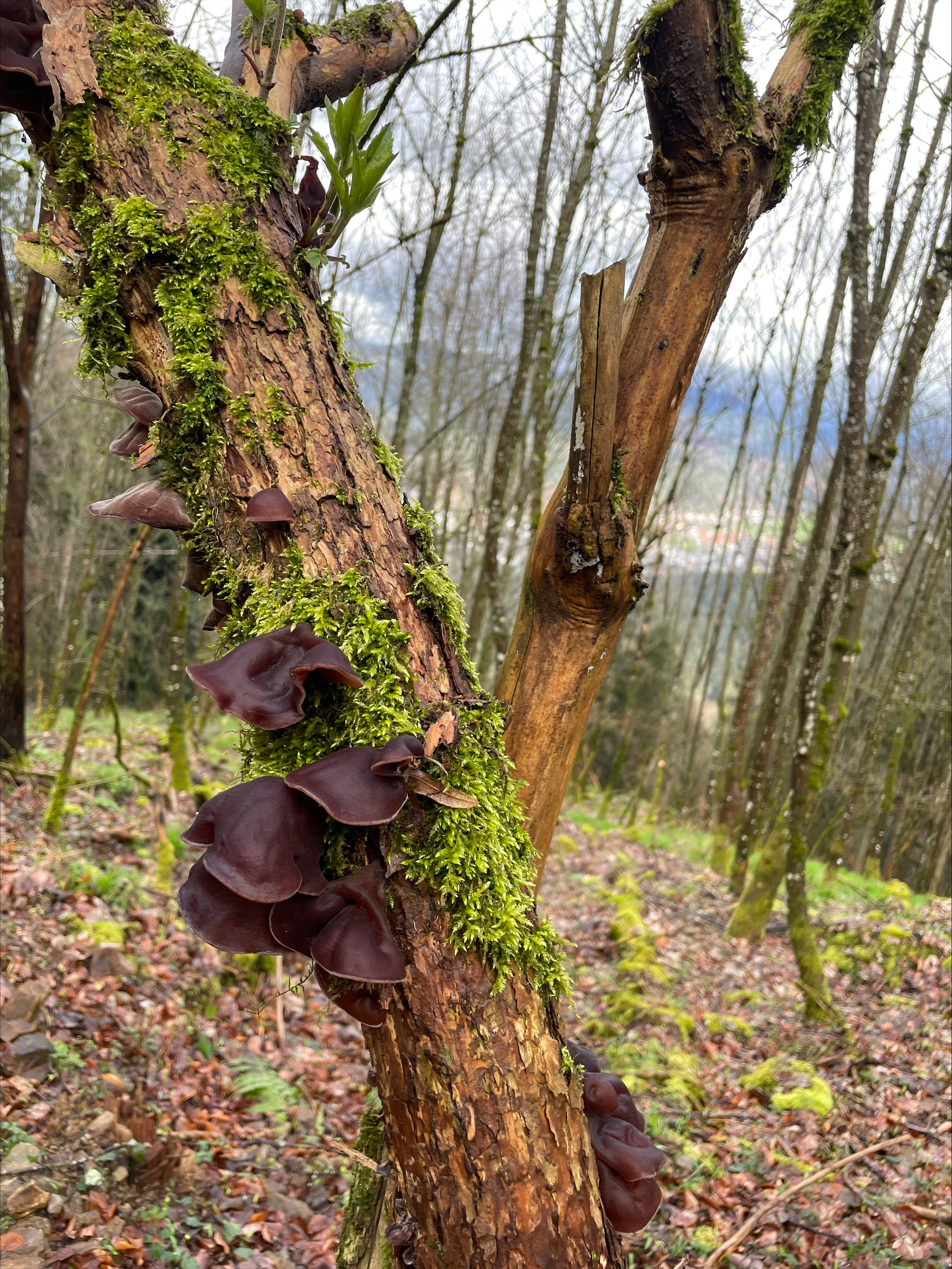
Photos credit: Easton Lane
 Department of Environmental Sciences